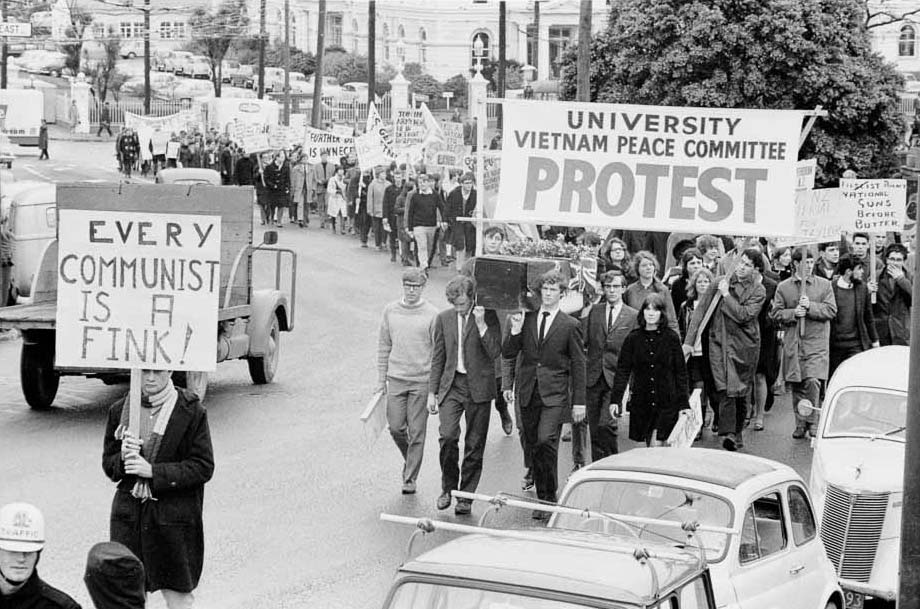
A good documentary should tell you stuff you didn't know and be engaging while it does it. This film has a pretty interesting premise, triplets separated at birth who grew up not knowing they were triplets, who meet at the age of nineteen.
Once this basic scenario has been played out, the story just gets more interesting. It becomes apparent that the adoption agency hid the fact that these children were triplets from their adoptive parents. I won't go into the reasons now, because you may wish to watch the movie yourself, but it's fair to say that your jaw will be on the floor quite often.
We meet the two surviving triplets, and many of their friends and relatives. We meet people who worked for the adoption agency (which specialised in Jewish babies) and child psychologists and researchers.
Adoption is much rarer in the twenty-first century than it was in the nineteen-sixties, at least in the western world and is much more regulated and transparent. Once you've watched this movie you'll probably think this is a good thing.
Anne's rating 3.5/5
Showing posts with label documentary. Show all posts
Saturday, August 25, 2018
Monday, August 13, 2018
The Ancient Woods
Nature documentaries are a staple of television channels, so obviously you don't have to go to the theatre to see them. The best nature documentaries provide a kind of immersive experience, and are free from annoying voice-overs or ad breaks. They should be the next best thing to being there and sometimes they're better than being there because a camera can go where humans can't.
The Ancient Woods takes the viewer to Lithuania, where there's an incredible diversity of wildlife. Moose and mice, owls and vultures, snakes and deer, crows and capercaillies, ants and bees. The footage is stunning, and often quite funny. It was a little slow but the I have forgiven the slow bits because the good bits were so good. There was very clever camera positioning, and I enjoyed being fearful for the life of the dormouse until I realised that snake that was pursuing it was very tiny.
Being in the woods, even vicariously, is definitely an immersive experience, especially when it comes to sound. It seems European forests are noisy places, and some of the creatures make surprising sounds. When I went to the exhibition at Zealandia and saw the animated moa models and heard them growling, I thought this was completely fanciful but now that I've seen the western capercaillie (an incredible bird that's like a cross between a turkey and a cassowary, pictured below) I think that moas may well have growled.
I think on the whole I prefer my stunning visuals to be accompanied by stirring music but I can see that without its current soundtrack The Ancient Woods would be missing something important.
Anne's rating 3.5/5
The Ancient Woods takes the viewer to Lithuania, where there's an incredible diversity of wildlife. Moose and mice, owls and vultures, snakes and deer, crows and capercaillies, ants and bees. The footage is stunning, and often quite funny. It was a little slow but the I have forgiven the slow bits because the good bits were so good. There was very clever camera positioning, and I enjoyed being fearful for the life of the dormouse until I realised that snake that was pursuing it was very tiny.
Being in the woods, even vicariously, is definitely an immersive experience, especially when it comes to sound. It seems European forests are noisy places, and some of the creatures make surprising sounds. When I went to the exhibition at Zealandia and saw the animated moa models and heard them growling, I thought this was completely fanciful but now that I've seen the western capercaillie (an incredible bird that's like a cross between a turkey and a cassowary, pictured below) I think that moas may well have growled.
I think on the whole I prefer my stunning visuals to be accompanied by stirring music but I can see that without its current soundtrack The Ancient Woods would be missing something important.
Anne's rating 3.5/5
Labels:
documentary,
Lithuanian,
nature,
NZIFF 2018
Tuesday, August 07, 2018
Bisbee ’17
In 1917 Bisbee, Arizona was an important centre of copper mining. The Industrial Workers of the World trade union set up a branch in Bisbee signed up several hundred members and in May put a set of demands to the mining companies. The demands were turned down and the union called a strike which began at the end of June and involved most of the miners. Two weeks later the local sheriff and company executives signed up 2,200 deputies and provided them with lists of men to arrest. The next morning 2000 men were rounded up (not all of the miners) and marched to the local baseball park and kept under armed guard. Those that weren't union members and agreed to go back to work were allowed to leave (700 did). The rest were loaded onto cattle cars and the train took them 300km out of town where they were unloaded and told that they would be killed if they tried to return to their homes in Bisbee. When asked what law he was using to justify his action, Sheriff Wheeler said no law, but he'd do it again.
This event is known as the Bisbee Deportation. Bisbee ’17 is a documentary about the centenary of the Bisbee Deportation and how the current population feels about it. It is difficult to know how representative the view expressed were but they ran the full range from unequivical support for the vigillantee action to support for the union and deportees. The centenary includes a re-enactment of the events (except that while the baseball park still exists the railway doesn't).
The documentary concentrates on trying to show the difference between the sort of men who Sheriff Wheeler signed up as deputies and those who were run out of town (lots of Hispanic, Eastern European and Italian names). This wasn't just a union busting action it was also an attempt to get rid of the "wrong sort of American".
The documentary is a very easy watch but left me with far more questions than answers: What happened to the deportees? What happened to the vigillantees? There are a couple of casual mentions of a court case but the documentary itself stops with the events of 12 July 1917. Perhaps they are planning a sequel, in the meantime Wikipedia can provide some answers.
No references are made to current politics in America.
🎥
Ian's rating 2.5/5
This event is known as the Bisbee Deportation. Bisbee ’17 is a documentary about the centenary of the Bisbee Deportation and how the current population feels about it. It is difficult to know how representative the view expressed were but they ran the full range from unequivical support for the vigillantee action to support for the union and deportees. The centenary includes a re-enactment of the events (except that while the baseball park still exists the railway doesn't).
The documentary concentrates on trying to show the difference between the sort of men who Sheriff Wheeler signed up as deputies and those who were run out of town (lots of Hispanic, Eastern European and Italian names). This wasn't just a union busting action it was also an attempt to get rid of the "wrong sort of American".
The documentary is a very easy watch but left me with far more questions than answers: What happened to the deportees? What happened to the vigillantees? There are a couple of casual mentions of a court case but the documentary itself stops with the events of 12 July 1917. Perhaps they are planning a sequel, in the meantime Wikipedia can provide some answers.
No references are made to current politics in America.
🎥
Ian's rating 2.5/5
Labels:
documentary,
film festival,
NZIFF 2018
Tuesday, July 31, 2018
A Mother Brings Her Son to be Shot
"The Troubles" in Northern Ireland came to an end with the Good Friday Agreement in 1998. But the conflict behind "The Troubles" didn't go away, and not all the gunmen disarmed. Not all the violence stopped. Even during "The Troubles" paramilitaries used their guns for non-political purposes and today in Derry it seems that many of the shootings by paramilitaries are non-political.
A Mother Brings Her Son to be Shot is a documentary by Irish journalist Sinéad O’Shea (RNZ interview) about the "punishment" shooting of 19-year-old Philly O’Donnell by Republican gunmen in the back of the knees in 2012 (kneecapping). His mother Majella had taken him to the alley in a taxi. The gunmen had accused Philly of drug dealing and being rude about them on Facebook. Sinéad wanted to find out why Majella had cooperated with the gunmen and what happened to the family after the shooting. What was intended to be a short background piece for a news report became a documentary that covers 5 years of the O'Donnell family life.
The main character in the film is Hugh Brady, a Republican ex-paramilitary who now works at the Rosemount Resource Centre and acts as the middleman between various paramilitary groups and the local population. He claims to deal with over a hundred cases a year where gunmen want to "punish" locals, many of which he claims to defuse but in other cases such as Philly O'Donnell he passes messages and instructions from gunmen to the targets and their families. Hugh is a matter of fact storyteller with a dry sense of humour. During a phone call, he is asked if it is private and responds that it is "private to you, me, and whichever branch of the British security services is listening in". Hugh provides much of the background to the situation in his part of Derry.
Of the O'Donnell family, Kevin Barry (11 years old at the start of the filming) is the most talkative and frank. Whether he is showing off his arsenal of weapons, analysing the motives of the gunmen or mouthing off at his mother he is a documentary makers dream. He is also the member of the family who changes the most over the 5 years of filming.
One thing that struck me is the use of the word "community". Everybody in the film uses that word at least every third sentence. The story they tell is that some Republican communities have not seen any improvement since the Good Friday Agreement in 1998. There are few jobs, an increase in drug use, crime and hopelessness. They refuse to cooperate with the police (despite police reforms) and dissident republican gunmen decide who gets punished and how. Given that punishments include extorting "fines" of thousands of pounds, there is strong suspicion that the gunmen fund their lifestyle by use of these "fines" backed up by the threat of shootings.
Sinéad points out that the number of suicides in Northern Ireland in the last 20 years exceeds the number of violent deaths during The Troubles and some people claim they want to go back to the past because even though it was a bad time at least was more exciting than present-day Derry!
Ian's rating 2.5/5
A Mother Brings Her Son to be Shot is a documentary by Irish journalist Sinéad O’Shea (RNZ interview) about the "punishment" shooting of 19-year-old Philly O’Donnell by Republican gunmen in the back of the knees in 2012 (kneecapping). His mother Majella had taken him to the alley in a taxi. The gunmen had accused Philly of drug dealing and being rude about them on Facebook. Sinéad wanted to find out why Majella had cooperated with the gunmen and what happened to the family after the shooting. What was intended to be a short background piece for a news report became a documentary that covers 5 years of the O'Donnell family life.
The main character in the film is Hugh Brady, a Republican ex-paramilitary who now works at the Rosemount Resource Centre and acts as the middleman between various paramilitary groups and the local population. He claims to deal with over a hundred cases a year where gunmen want to "punish" locals, many of which he claims to defuse but in other cases such as Philly O'Donnell he passes messages and instructions from gunmen to the targets and their families. Hugh is a matter of fact storyteller with a dry sense of humour. During a phone call, he is asked if it is private and responds that it is "private to you, me, and whichever branch of the British security services is listening in". Hugh provides much of the background to the situation in his part of Derry.
Of the O'Donnell family, Kevin Barry (11 years old at the start of the filming) is the most talkative and frank. Whether he is showing off his arsenal of weapons, analysing the motives of the gunmen or mouthing off at his mother he is a documentary makers dream. He is also the member of the family who changes the most over the 5 years of filming.
One thing that struck me is the use of the word "community". Everybody in the film uses that word at least every third sentence. The story they tell is that some Republican communities have not seen any improvement since the Good Friday Agreement in 1998. There are few jobs, an increase in drug use, crime and hopelessness. They refuse to cooperate with the police (despite police reforms) and dissident republican gunmen decide who gets punished and how. Given that punishments include extorting "fines" of thousands of pounds, there is strong suspicion that the gunmen fund their lifestyle by use of these "fines" backed up by the threat of shootings.
Sinéad points out that the number of suicides in Northern Ireland in the last 20 years exceeds the number of violent deaths during The Troubles and some people claim they want to go back to the past because even though it was a bad time at least was more exciting than present-day Derry!
Ian's rating 2.5/5
Labels:
documentary,
film festival,
Irish,
NZIFF 2018
Saturday, August 12, 2017
Dina
Dina is a love story. It features Dina and Scott, who both have Autism Spectrum disorder and are engaged to be married. They met at a support group for "neurologically diverse adults". They have a loving and supportive relationship but Scott has issues with physical affection. Dina is keen for their marriage to involve sex and the film is documents the period leading up to their wedding in which she attempts to make that likely.
Refreshingly (and perhaps slightly surprising for people with a condition that can inhibit communication) is how articulate Scott and Dina are. They describe their disabilities fluently and acknowledge the problem they're trying to solve.
Also refreshing is that the America that Dina and Scott inhabit isn't the one we see on most American TV programmes. They don't live in large house with a lawn and they don't drive an SUV. Dina lives in an upper storey apartment in a building on the corner of busy intersection. She and Scott travel on public transport . Dina is on a disability benefit and Scott works at Walmart and lives with his parents in a home that wouldn't be out of place on a TV programme about hoarding. Their wedding takes place in a diner which is still open for other business.
You can't help but compare Dina to the Big Bang Theory, which has Amy and Sheldon's relationship as one of its main plot lines. They both have PhDs and work at Caltech, and Sheldon has major issues with physical intimacy. Amy wants a full-on sexual relationship, and both she and Sheldon are very articulate.
Watching the Big Bang Theory is probably more entertaining but watching Dina is (inevitably) more realistic. The film shows the humour in Dina and Scott's situation without being patronising, or providing a fairy-tale ending.
Anne's rating 2.5/5
Refreshingly (and perhaps slightly surprising for people with a condition that can inhibit communication) is how articulate Scott and Dina are. They describe their disabilities fluently and acknowledge the problem they're trying to solve.
Also refreshing is that the America that Dina and Scott inhabit isn't the one we see on most American TV programmes. They don't live in large house with a lawn and they don't drive an SUV. Dina lives in an upper storey apartment in a building on the corner of busy intersection. She and Scott travel on public transport . Dina is on a disability benefit and Scott works at Walmart and lives with his parents in a home that wouldn't be out of place on a TV programme about hoarding. Their wedding takes place in a diner which is still open for other business.
You can't help but compare Dina to the Big Bang Theory, which has Amy and Sheldon's relationship as one of its main plot lines. They both have PhDs and work at Caltech, and Sheldon has major issues with physical intimacy. Amy wants a full-on sexual relationship, and both she and Sheldon are very articulate.
Watching the Big Bang Theory is probably more entertaining but watching Dina is (inevitably) more realistic. The film shows the humour in Dina and Scott's situation without being patronising, or providing a fairy-tale ending.
Anne's rating 2.5/5
Labels:
documentary,
film festival,
love story,
NZIFF 2017,
USA
Wednesday, August 09, 2017
Kedi
Sometimes you just need a bit of fluff. That's especially true when you've seen a lot of shootings, abductions and general unkindness. So what better fluff is there than a cat movie? And not just any cat movie, an exotic cat movie, filmed in beautiful Istanbul.
Kedi is a documentary which follows a bunch of cats and meets their owners and minders. None of the cats are completely domesticated - they live in workshops, at the fish market, on the wharf and in a dress shop. Some the humans mind just one cat (and its offspring) in their workplace and some feed and care for whole communities of feral cats.
My favourite cat was Sari the first cat, a particularly charming ginger cat who we follow through the streets where she scavenges food for her four very cute ginger kitten. She walks ( jogs, really) long distances and her hunting ability is impressive. My favourite cat minder was the man who had a running tab at the vets for treating sick and injured cats.
It seems that Istanbul has had a significant semi-feral cat population for hundred of years but that modern development may put that in peril. It's much harder for cats to live in and around large modern buildings and big road than it is for them to to live in small old buildings and alleyways. So it could be, that in watching this movie you're watching a disappearing phenomenon. And speaking of disappearing phenomena, you may find your angst evaporating as well.
Anne's rating 3/5 Ian's rating 3.5/5
Labels:
animals,
documentary,
film society,
NZIFF 2017,
Turkish
Tuesday, August 01, 2017
Abacus: Small Enough to Jail
In the early 21st century the easing of mortgage criteria led to bigger mortgages and a housing bubble. Massive lobbying by the finance industry to ensure banking deregulation, lack of enforcement of remaining banking regulations, bonus payouts to reward of risk taking, lack of consequence for failure, the reselling of sub-prime mortgages as high credit rating investments, overrating of investments and banks by ratings agencies, insurance policies on these investments, fraud and sub-prime ethics in banking and finance industry led to the financial crisis of 2008. A lot of the largest companies involved declared bankruptcy. These companies were considered too large to fail and were bailed out by the US government. 🎥
Many people were expecting those companies that broke the rules and regulators that failed to do their jobs would be prosecuted. In 2012 New York prosecutors indited a bank on fraud charges relating to mortgages, the only US bank prosecuted in relation to the global financial crisis. Abacus: Small Enough to Jail is the story of that prosecution.
Abacus Federal Savings Bank was formed in 1984 by Shanghai born lawyer Thomas Sung, who arrived in New York in the early 1950s. After a successful legal career, he saw a gap in the market where existing banks in New York were reluctant to lend to Chinese people. In 2010 Abacus fired a loan officer for asking for large tips for processing a mortgage application. They uncovered other falsifications on loan documents and reported to the banking regulator. The New York District Attorney's Office brought charges not only against the loan officer but against many other staff from the loan office and the bank itself. The investigation lasted 5 years.
This film is more than a story of a legal case about mortgage fraud. It is a family film. Two of Thomas Sung's daughters worked at the bank and another worked for the New York District Attorney's Office. The whole family has strong opinions about the case, which they often voice at the same time. They took the fight seriously and many of the interviews are with the family as they ate takeaways at the office or at local Chinese restaurants.
While the film is from the point of view of the Sung family and Abacus the prosecutors including Cyrus Vance Jr give their points of view as well.
Ian's rating 4/5
Many people were expecting those companies that broke the rules and regulators that failed to do their jobs would be prosecuted. In 2012 New York prosecutors indited a bank on fraud charges relating to mortgages, the only US bank prosecuted in relation to the global financial crisis. Abacus: Small Enough to Jail is the story of that prosecution.
Abacus Federal Savings Bank was formed in 1984 by Shanghai born lawyer Thomas Sung, who arrived in New York in the early 1950s. After a successful legal career, he saw a gap in the market where existing banks in New York were reluctant to lend to Chinese people. In 2010 Abacus fired a loan officer for asking for large tips for processing a mortgage application. They uncovered other falsifications on loan documents and reported to the banking regulator. The New York District Attorney's Office brought charges not only against the loan officer but against many other staff from the loan office and the bank itself. The investigation lasted 5 years.
This film is more than a story of a legal case about mortgage fraud. It is a family film. Two of Thomas Sung's daughters worked at the bank and another worked for the New York District Attorney's Office. The whole family has strong opinions about the case, which they often voice at the same time. They took the fight seriously and many of the interviews are with the family as they ate takeaways at the office or at local Chinese restaurants.
While the film is from the point of view of the Sung family and Abacus the prosecutors including Cyrus Vance Jr give their points of view as well.
Ian's rating 4/5
Labels:
documentary,
film festival,
NZIFF 2017,
recommend
Sunday, July 30, 2017
Risk
Risk is a documentary about Julian Assange and Wikileaks. It consists of interviews with Julian Assange and some of his associates plus some fly-on-the-wall footage of Julian and others at work and it is punctuated with bits of history of Wikileaks and voice over of the film maker's views of Julian. 7 years of filming Wikileaks is condensed into 93 minutes. Because the film is covering such a long period of time it doesn't cover any aspect in detail.
The title of the film comes from a conversation where Julian Assange gives his views on the risks various people are prepared to take to try and right wrongs and go up against the powers that be. He declares that he takes a pragmatic view of what risks to take and understands if people are willing to take more risks or fewer risks than he is. The film does a good job of showing his level of paranoia and justifying it.
Hanging over the whole film is the Swedish sexual assault allegations. While there is no detail on what happened in Sweden there are some glimpses into Julian Assange's attitude to the complainants.
While Assange is the main focus of the film Sarah Harrison (who seems to act as his personal assistant) gets almost as much time in front of the camera. The other thing that gets a lot of focus is Julian's hair (which itself is almost a trademark for Wikileaks).
Ian's rating 2.5/5
The title of the film comes from a conversation where Julian Assange gives his views on the risks various people are prepared to take to try and right wrongs and go up against the powers that be. He declares that he takes a pragmatic view of what risks to take and understands if people are willing to take more risks or fewer risks than he is. The film does a good job of showing his level of paranoia and justifying it.
Hanging over the whole film is the Swedish sexual assault allegations. While there is no detail on what happened in Sweden there are some glimpses into Julian Assange's attitude to the complainants.
While Assange is the main focus of the film Sarah Harrison (who seems to act as his personal assistant) gets almost as much time in front of the camera. The other thing that gets a lot of focus is Julian's hair (which itself is almost a trademark for Wikileaks).
Ian's rating 2.5/5
Labels:
documentary,
film festival,
NZIFF 2017,
political
Sunday, July 24, 2016
Another Country
David Gulpilil is one of Australia's most famous actors, and certainly its most famous indigenous one. He's the voice of Another Country and while he didn't write the script by himself , the politics and the viewpoint is his. Molly Reynolds and Rolf de Heer who co-wrote the script and directed and produced the film are so familiar with how he thinks that they were able to convey it easily.
Another Country documents life in David's home town, Ramingining, not just for the sake of documenting but because it epitomises what's wrong with aboriginal communities in Australia and what's wrong with the government's management of the people that live there. It's miles from anywhere and as David says, there are no jobs and there's nothing to do.
One of the bests aspects of the film was the summaries of the differences in culture and ways of thinking between "white mans" and black fellas" culture. For example, he says that rubbish is a foreign concept to indigenous Australians - it's not on their radar and they don't know how to deal with it. Historically, everything they had came from the bush and that's where it all went back to. So a broken spear or a worn out mat was just left in the bush, and since it is all biodegradable, there isn't a problem.
He doesn't offer complete solutions but does think there needs to be consultation between the Australian Government and aboriginal communities. And the results of the consultation shouldn't just be viewed with white values and white eyes. For example, paying white builders to come and build houses may be quicker and more efficient, but it makes the locals feels worthless and doesn't take advantage of one of their great resources, which is time.
As is often the case after watching a documentary I felt a mixture of hope and sadness. It would be good if it were compulsory viewing for all Australian members of parliament.
Anne's rating 3/5.
Another Country documents life in David's home town, Ramingining, not just for the sake of documenting but because it epitomises what's wrong with aboriginal communities in Australia and what's wrong with the government's management of the people that live there. It's miles from anywhere and as David says, there are no jobs and there's nothing to do.
One of the bests aspects of the film was the summaries of the differences in culture and ways of thinking between "white mans" and black fellas" culture. For example, he says that rubbish is a foreign concept to indigenous Australians - it's not on their radar and they don't know how to deal with it. Historically, everything they had came from the bush and that's where it all went back to. So a broken spear or a worn out mat was just left in the bush, and since it is all biodegradable, there isn't a problem.
He doesn't offer complete solutions but does think there needs to be consultation between the Australian Government and aboriginal communities. And the results of the consultation shouldn't just be viewed with white values and white eyes. For example, paying white builders to come and build houses may be quicker and more efficient, but it makes the locals feels worthless and doesn't take advantage of one of their great resources, which is time.
As is often the case after watching a documentary I felt a mixture of hope and sadness. It would be good if it were compulsory viewing for all Australian members of parliament.
Anne's rating 3/5.
Labels:
Australian,
documentary,
NZIFF 2016
Wednesday, August 20, 2014
The Green Prince
The premise of this documentary is interesting enough - Mosab Hassan Yousef, the son of a Hamas leader in the West Bank, was for many years an agent for Shin Bet, Israel's internal security service. We find out how and why that happened and how it worked. Like many documentaries, there's quite a lot of talking head footage but in this film there are only two heads - Mosab himself and his Shin Bet handler Gonen Ben Yitzhak. The two heads are interspersed with historic footage and some re-enactments and there is an element of the political thriller here.
That said, the Green Prince doesn't feel like a documentary, or a political thriller. In some ways it feels like a Cinderella story - how the slightly plump, bearded, bespectacled Muslim youth from the West Bank that we see in the historic footage became the immaculately groomed beautiful and Christian specimen who resides in the US that we see in the interviews. In other ways it feels like a love story - the relationship between Mosab and his handler was (and remains) deep and intense. Mosab has no contact with his family now but he rings Gonen every week, even though he is no longer a spy and Gonen no longer works for Shin Bet. You could also view it as a sort of morality tale - Mosab was raped by a family friend when he was about five and in his culture it seems the only thing more shameful than being a rapist was being a victim of rape, so he never told his family. It's not a huge leap to say keeping a shameful secret from a very young age made him a good prospect for being a spy for the Israelis - just another shameful secret, really. So look after your children, if you'd like them to look after you in later life.
You will come away from the Green Prince with new facts, and an appreciation of how Shin Bet recruits its spies. You'll also come away with an appreciation of the effect that the recruiting and the spying has on the participants. And, I think, an opinion of who came out of the process the best.
Anne's rating 3.5/5
That said, the Green Prince doesn't feel like a documentary, or a political thriller. In some ways it feels like a Cinderella story - how the slightly plump, bearded, bespectacled Muslim youth from the West Bank that we see in the historic footage became the immaculately groomed beautiful and Christian specimen who resides in the US that we see in the interviews. In other ways it feels like a love story - the relationship between Mosab and his handler was (and remains) deep and intense. Mosab has no contact with his family now but he rings Gonen every week, even though he is no longer a spy and Gonen no longer works for Shin Bet. You could also view it as a sort of morality tale - Mosab was raped by a family friend when he was about five and in his culture it seems the only thing more shameful than being a rapist was being a victim of rape, so he never told his family. It's not a huge leap to say keeping a shameful secret from a very young age made him a good prospect for being a spy for the Israelis - just another shameful secret, really. So look after your children, if you'd like them to look after you in later life.
You will come away from the Green Prince with new facts, and an appreciation of how Shin Bet recruits its spies. You'll also come away with an appreciation of the effect that the recruiting and the spying has on the participants. And, I think, an opinion of who came out of the process the best.
Anne's rating 3.5/5
Labels:
documentary,
NZIFF 2014,
recommend
Tuesday, August 12, 2014
We Come As Friends
Don't touch that mouse! Now tell me ten things you know about South Sudan.
I knew that South Sudan is the world's newest country, it was the Christian part of Sudan and Juba is the capital. I am 7 things short.
Hubert Sauper (who also made Darwin's Nightmare) brings us a look at South Sudan and its foreign "friends". He travelled around in a home built plane and got access to a whole range of people from Chinese oil workers, Texan missionaries, UN officials, an ex-British Army mine clearance expert, investors, and plenty of locals from poor villagers and school kids, to soldiers and politicians.
Without exception all the foreigners said they were doing good, and the mine clearer probably was. Meanwhile the Chinese oil workers casually said that the environmental impact (piles of rubbish and oil tainted drinking water) was the responsibility of the locals to solve. The rehousing and providing farms for those locals displaced by mines, oil wells, foreign owned farms was also not the responsibility of the foreign investors to solve.
If you wanted to know what the term neo-colonialism means, then We Come As Friends would be a good place to start. (neo-colonialism, dependency theory and semi-colony are considered Marxist theory, as a lay person and knowing Marxism is out of favour, I had a quick look a non-Marxist theory about this subject but couldn't find one).
In one of the stand out interviews an old man (presumably a local chief) complained that he was falsely accused by his people of signing away the local land. Though he had a document (which he seemed unable to read) that was a signed lease contract for 600,000 hectares for 60 years for a one off payment $25,000 giving the lease holder the right to chop down all the trees, use the land for agriculture, own all the minerals and petrochemicals that they can extract. That is a one-off payment of 4 cents per hectare!
We Come As Friends makes the situations in Big Men seem like paradise.
Ian's rating 3/5
I knew that South Sudan is the world's newest country, it was the Christian part of Sudan and Juba is the capital. I am 7 things short.
Hubert Sauper (who also made Darwin's Nightmare) brings us a look at South Sudan and its foreign "friends". He travelled around in a home built plane and got access to a whole range of people from Chinese oil workers, Texan missionaries, UN officials, an ex-British Army mine clearance expert, investors, and plenty of locals from poor villagers and school kids, to soldiers and politicians.
Without exception all the foreigners said they were doing good, and the mine clearer probably was. Meanwhile the Chinese oil workers casually said that the environmental impact (piles of rubbish and oil tainted drinking water) was the responsibility of the locals to solve. The rehousing and providing farms for those locals displaced by mines, oil wells, foreign owned farms was also not the responsibility of the foreign investors to solve.
If you wanted to know what the term neo-colonialism means, then We Come As Friends would be a good place to start. (neo-colonialism, dependency theory and semi-colony are considered Marxist theory, as a lay person and knowing Marxism is out of favour, I had a quick look a non-Marxist theory about this subject but couldn't find one).
In one of the stand out interviews an old man (presumably a local chief) complained that he was falsely accused by his people of signing away the local land. Though he had a document (which he seemed unable to read) that was a signed lease contract for 600,000 hectares for 60 years for a one off payment $25,000 giving the lease holder the right to chop down all the trees, use the land for agriculture, own all the minerals and petrochemicals that they can extract. That is a one-off payment of 4 cents per hectare!
We Come As Friends makes the situations in Big Men seem like paradise.
Ian's rating 3/5
Labels:
documentary,
NZIFF 2014
notes to eternity
notes to eternity is New Zealander, Sarah Cordery's documentary explaining the Zionist-Palestinian conflict and myth-busting hasbara used to delegitimise Palestinians. It focuses on the views of 4 critics of the Israeli (and American) position: 3 American academics (Noam Chomsky, Sara Roy, Norman Finkelstein) and British journalist Robert Fisk whose career has been based in the region, calling Beirut home.
Sarah Cordery says she chose the Americans because they are also Jews. It is rare to hear Jews side with Palestinians against the Jewish State. The interviews with each of them covered their childhoods and their parents experiences. Chomsky (born in 1928) is the oldest and the only one with memories of World War II and the history of Israel / Palestine since the Nakba. This digression into their backgrounds is partly to illustrate that their backgrounds were not abnormal for Jews, partly to humanise and possibly provide context for their current views and partly to tie the Zionist-Palestinian conflict to that other important event in Jewish history - the Holocaust.
For Robert Fisk the important event is World War I (which his father fought in). It redrew borders around the world especially in Eastern Europe and the former Ottoman Empire. He squarely blames the British government for making promises during the war that it failed to keep (and couldn't keep because they were contradictory).
notes to eternity (always in lower case) is a long film, listed at 150 minutes but I'm sure it was longer (I left while the credits were rolling and it was already 25 minutes beyond the 2 hour 30 minute mark). For that reason it should probably be edited or divided, Jackson-style, into multiple films. The film is largely interviews conducted in America, Lebanon, Gaza and the West Bank. There is also current and historic footage and some cartoons (with voice overs giving realistic, in other words pessimistic, views on the future).
To people who say "we shouldn't take sides" or "they have been fighting each other for thousands of years" or "they are both as bad as each other" or "why can't the Palestinians leave the Israelis in peace", notes to eternity will be a very useful education. To someone who takes more than a casual interest in the subject there wasn't much new information. Though I was interested in Sara Roy saying that her mother chose to go to America (rather than Israel) because she thought that to be tolerant you needed to grow up in a pluralist society.
Ian's rating 2.5/5
Sarah Cordery says she chose the Americans because they are also Jews. It is rare to hear Jews side with Palestinians against the Jewish State. The interviews with each of them covered their childhoods and their parents experiences. Chomsky (born in 1928) is the oldest and the only one with memories of World War II and the history of Israel / Palestine since the Nakba. This digression into their backgrounds is partly to illustrate that their backgrounds were not abnormal for Jews, partly to humanise and possibly provide context for their current views and partly to tie the Zionist-Palestinian conflict to that other important event in Jewish history - the Holocaust.
For Robert Fisk the important event is World War I (which his father fought in). It redrew borders around the world especially in Eastern Europe and the former Ottoman Empire. He squarely blames the British government for making promises during the war that it failed to keep (and couldn't keep because they were contradictory).
notes to eternity (always in lower case) is a long film, listed at 150 minutes but I'm sure it was longer (I left while the credits were rolling and it was already 25 minutes beyond the 2 hour 30 minute mark). For that reason it should probably be edited or divided, Jackson-style, into multiple films. The film is largely interviews conducted in America, Lebanon, Gaza and the West Bank. There is also current and historic footage and some cartoons (with voice overs giving realistic, in other words pessimistic, views on the future).
To people who say "we shouldn't take sides" or "they have been fighting each other for thousands of years" or "they are both as bad as each other" or "why can't the Palestinians leave the Israelis in peace", notes to eternity will be a very useful education. To someone who takes more than a casual interest in the subject there wasn't much new information. Though I was interested in Sara Roy saying that her mother chose to go to America (rather than Israel) because she thought that to be tolerant you needed to grow up in a pluralist society.
Ian's rating 2.5/5
Labels:
documentary,
NZ,
NZIFF 2014
Thursday, August 07, 2014
Hot Air
Hot Air covers the facts and the politics of New Zealand's greenhouse gas emission in the (almost) twenty-five years since 1990, which is the majority of my adult life. I remember being taught about greenhouse gases and global warming in high school and wondering why, if everyone know this stuff, aren't we doing something about it. Hot Air will give you some ideas about why, and how difficult even committed politicians have found trying to do something about it. To quote Pete Hodgson " Climate Change Politics is hard"
There were some memorable facts, which bear thinking about. NZ's greenhouse gas emissions have doubled in the last quarter century while our (human) population has only increased by 25%. A gas-fired power station was built in that time and we have chopped down a lot of pine forests to create dairy farms. These things are problems.
I enjoyed the footage - lots of it from television archives - a kind of montage of politicians and movers and shakers past and present. It reminded me that that some of those people have died since they were filmed - Roger Kerr, Rod Donald, Parekura Horomia.. I liked the way it showed things changing - computers, glasses, hairstyles, telephones and the Wellington streetscape. Hot Air interviews lots of intelligent and articulate people, and quite a lot of articulate people who seem less intelligent. I liked learning things - for example, I didn't realise quite how many global-warming nay-sayers the business round table has brought to New Zealand over the years, and how Nigel Lawson was one of them.
Anyone could and should find this documentary's subject matter interesting, but if you lived in New Zealand between 1990 and now you'll particularly appreciate it as a social and political history.
Anne's rating 3.5/5
There were some memorable facts, which bear thinking about. NZ's greenhouse gas emissions have doubled in the last quarter century while our (human) population has only increased by 25%. A gas-fired power station was built in that time and we have chopped down a lot of pine forests to create dairy farms. These things are problems.
I enjoyed the footage - lots of it from television archives - a kind of montage of politicians and movers and shakers past and present. It reminded me that that some of those people have died since they were filmed - Roger Kerr, Rod Donald, Parekura Horomia.. I liked the way it showed things changing - computers, glasses, hairstyles, telephones and the Wellington streetscape. Hot Air interviews lots of intelligent and articulate people, and quite a lot of articulate people who seem less intelligent. I liked learning things - for example, I didn't realise quite how many global-warming nay-sayers the business round table has brought to New Zealand over the years, and how Nigel Lawson was one of them.
Anyone could and should find this documentary's subject matter interesting, but if you lived in New Zealand between 1990 and now you'll particularly appreciate it as a social and political history.
Anne's rating 3.5/5
Labels:
documentary,
NZ,
NZIFF 2014
Virunga
Virunga National Park is Africa's first - created by King Albert of Belgium in 1925 to protect habitat of the mountain gorilla.This documentary about Virunga has two main thrusts - meeting the park's staff who give the phrase "passionate about my job" new meaning, and examining the threats posed to the park. These threats include the oil exploration concessions given to British Company SOCO by the Congolese Government, poachers, and the various rebel factions still fighting in the Congo.
The park staff are all armed - they need to protect themselves from wild animals, but also themselves and the animals from poachers and rebel fighters. They are literally prepared to give their lives for the animals and the preservation of the park, and many rangers have been killed in recent years. During the course of the film we see rebel fighters and tanks arrive in the park and fighting taking place, which feels a bit like seeing armed conflict at a kindergarten. It was heartening to see that once the fighting was over, the first thing the staff did was head up to the hills to check on the gorillas. Men who had been shooting at people the day before were now sitting in the grass and smiling.
The softer side of the job is shown by the carers for the four captive orphaned gorillas that live in a special house in the park. Mountain gorillas are particularly furry and photogenic, and their chief minder, Andre, is equally charming.Taking the gorillas outside to play in the trees looks like tremendous fun.
It's hard to know whether you'll be more impressed or depressed by this documentary. Virunga is staggeringly beautiful and diverse but there are so many things going wrong in the Congo. I was somewhat cheered to see on that SOCO appears to have agreed not to drill for oil in Virunga unless UNESCO agrees.
So get acquainted with deepest Africa by watching the film, or at least the trailer, or perhaps this piece from Al Jazeera's Earthrise. I hope that one day going to Virunga might be less hazardous than it is now.
The park staff are all armed - they need to protect themselves from wild animals, but also themselves and the animals from poachers and rebel fighters. They are literally prepared to give their lives for the animals and the preservation of the park, and many rangers have been killed in recent years. During the course of the film we see rebel fighters and tanks arrive in the park and fighting taking place, which feels a bit like seeing armed conflict at a kindergarten. It was heartening to see that once the fighting was over, the first thing the staff did was head up to the hills to check on the gorillas. Men who had been shooting at people the day before were now sitting in the grass and smiling.
![]() |
| Andre with one of his charges |
It's hard to know whether you'll be more impressed or depressed by this documentary. Virunga is staggeringly beautiful and diverse but there are so many things going wrong in the Congo. I was somewhat cheered to see on that SOCO appears to have agreed not to drill for oil in Virunga unless UNESCO agrees.
So get acquainted with deepest Africa by watching the film, or at least the trailer, or perhaps this piece from Al Jazeera's Earthrise. I hope that one day going to Virunga might be less hazardous than it is now.
Labels:
Congolese,
documentary,
NZIFF 2014
Tuesday, August 05, 2014
Art and Craft
Mark Landis is good at copying things, a habit he developed as a only child. He also has a great knowledge of art which started when visiting European art galleries with his father (a US naval officer). The advertising for Art and Craft promises to explore the 30 year 'career' of one of the most prolific art forgers in US history. This is somewhat misleading as it only covers Mark's childhood and perhaps the last 5 years of his 'career'. Despite that, Art and Craft is an engrossing film about an old man with an unusual obsession.
What makes Mark Landis's forging unusual is that he doesn't do it for profit. He doesn't sell his art work. He donates it to art galleries (known as Art Museums in American English). He also doesn't claim the tax rebates that are available under the US tax system. Many of his works have hung in art museums undetected as forgeries for years. His activities have been brought to attention of the FBI, which doesn't see them as criminal. Some of the duped curators are strongly of the opposite opinion but Landis has never been charged or sued. Matthew Leininger in particular is obsessed with stopping Landis to the extent that it probably cost him his job. Other curators and art museums are just plain embarrassed that they have been duped.
Mark Landis is a reclusive man who also likes some of the aspects of fame. Remarkably the film makers gained access to his home, where he entertains them with quotes from movies, descriptions of his methods and memories of his mother. Indirectly and slowly the film does a good job at getting into the motivations behind his obsession. The film makers also got access to Matthew Leininger and the comparison of their obsessions is instructive.
My only complaint about the film is the hole in Mark's life between attending art collage in 1974 and his mother's death in 2010.
Ian's rating 3/5
What makes Mark Landis's forging unusual is that he doesn't do it for profit. He doesn't sell his art work. He donates it to art galleries (known as Art Museums in American English). He also doesn't claim the tax rebates that are available under the US tax system. Many of his works have hung in art museums undetected as forgeries for years. His activities have been brought to attention of the FBI, which doesn't see them as criminal. Some of the duped curators are strongly of the opposite opinion but Landis has never been charged or sued. Matthew Leininger in particular is obsessed with stopping Landis to the extent that it probably cost him his job. Other curators and art museums are just plain embarrassed that they have been duped.
Mark Landis is a reclusive man who also likes some of the aspects of fame. Remarkably the film makers gained access to his home, where he entertains them with quotes from movies, descriptions of his methods and memories of his mother. Indirectly and slowly the film does a good job at getting into the motivations behind his obsession. The film makers also got access to Matthew Leininger and the comparison of their obsessions is instructive.
My only complaint about the film is the hole in Mark's life between attending art collage in 1974 and his mother's death in 2010.
Ian's rating 3/5
Labels:
documentary,
NZIFF 2014
Wednesday, July 30, 2014
Big Men
Nigeria is one of the world's major oil producing countries. There is no doubt in the minds of Nigerian politicians, journalists, militants and ordinary people that oil has been bad for Nigeria. This opinion on the impact of oil on Nigeria is mirrored in Ghana and America. The average Nigerian is worse off today than before oil was found. America is also one of the world's major oil producing countries. The impact of the oil industry in America is quite different. Why?
That question is not directly dealt with in this documentary. Rachel Boynton set out to make a documentary about West African oil and starting Nigeria, the largest producer in the region. But in trying to get inside an oil company she came across Kosmos Energy a small Texan oil company hunting for oil off the Ghanaian coast. Jim Musselman and his management team were happy to be filmed. This led to a film telling two stories. Firstly a cautionary tale of the problems that oil has caused in Nigeria. Secondly a story of Ghana's first oil field.
Kosmos Energy was brought to Ghana by George Yaw Owusu (of E.O. Group), who became their man in Ghana. Oil exploration and setting up the infrastructure for oil production is a long and expensive process during this time the government changed in Ghana and the financial crisis caused the price of oil (and prospective returns to investors) to drop. Rumours of a sweet deal between the Ghanaian Government of President Kuffour and Kosmos Energy (via E.O. Group) cause both the political opposition and American oil company Anadarko to complain of corruption. Which led to investigations by both the US Department of Justice and the Ghanaian Department of Justice. Details of this are not followed up by the film maker and eventually the US Department of Justice found no wrong doing. The fallout from these investigations were that George Yaw Owusu and Jim Musselman were sacked. Owusu was later reinstated and Musselman went on to form another oil company.
The issue for countries like Ghana who have valuable natural resources to export is how to structure the industry so that the country gains a benefit and they don't suffer from Resource Curse. As every Ghanaian Boynton interviews from shoppers to presidential candidates states Ghana gained very little from its gold industry and from its cocoa industry and they don't want that cycle to be repeated with oil. They are also acutely of the situation in near by Nigeria. What should be the government's cut in terms of tax and royalties and how should it be spent?
Despite having great access to the Kosmos Energy management and to one of their investors from the Blackstone Group you still have to read between the lines of the bland innocuous and passive phrases they use when talking about things. The ordinary Nigerians and Ghanaians are much more blunt and straight forward.
Unashamedly everyone from the money men in New York to the militants in the Nigia delta admits that oil (or any valuable thing) will bring out the worst consequences of greed in everybody concerned. Though they all think that only they are the only ones that are justified in what they want out of oil.
The quote from Milton Friedman that opens the film also sums it up:
Rachel Boynton talks about her film to Kim Hill and Bloomberg and WNYC. Other reviews of the film. The Washington Post's version of events.
The answer to why oil has impacted differently in America and Nigeria is indirectly answered in this film. In America the oil was found by Americans, exploited by American companies employing American workers, funded by American capital and the oil is mostly used by American industry and American consumers. In Nigeria the oil was found and exploited by American (or European) companies employing non-Nigerians, funded by American (or European) capital and the oil is mostly exported to be used in other countries. The small percentage of oil money that comes to Nigeria is jealously fought over and stay in few hands. The same goes for Saudi Arabia and other 3rd world countries. The joys of free trade and foreign investment.
As a side issue I was intrigued to see the number of different newspapers for sale in a newspaper kiosk in Accra, Ghana. There were at least 20 different titles for sale in a city of 2 million people (and capital of a country of 25 million) and as far as I could see they were local papers. It is interesting to see that the doom and gloom about the death of newspapers isn't global yet.
Ian's rating 2.5/5
That question is not directly dealt with in this documentary. Rachel Boynton set out to make a documentary about West African oil and starting Nigeria, the largest producer in the region. But in trying to get inside an oil company she came across Kosmos Energy a small Texan oil company hunting for oil off the Ghanaian coast. Jim Musselman and his management team were happy to be filmed. This led to a film telling two stories. Firstly a cautionary tale of the problems that oil has caused in Nigeria. Secondly a story of Ghana's first oil field.
Kosmos Energy was brought to Ghana by George Yaw Owusu (of E.O. Group), who became their man in Ghana. Oil exploration and setting up the infrastructure for oil production is a long and expensive process during this time the government changed in Ghana and the financial crisis caused the price of oil (and prospective returns to investors) to drop. Rumours of a sweet deal between the Ghanaian Government of President Kuffour and Kosmos Energy (via E.O. Group) cause both the political opposition and American oil company Anadarko to complain of corruption. Which led to investigations by both the US Department of Justice and the Ghanaian Department of Justice. Details of this are not followed up by the film maker and eventually the US Department of Justice found no wrong doing. The fallout from these investigations were that George Yaw Owusu and Jim Musselman were sacked. Owusu was later reinstated and Musselman went on to form another oil company.
The issue for countries like Ghana who have valuable natural resources to export is how to structure the industry so that the country gains a benefit and they don't suffer from Resource Curse. As every Ghanaian Boynton interviews from shoppers to presidential candidates states Ghana gained very little from its gold industry and from its cocoa industry and they don't want that cycle to be repeated with oil. They are also acutely of the situation in near by Nigeria. What should be the government's cut in terms of tax and royalties and how should it be spent?
Despite having great access to the Kosmos Energy management and to one of their investors from the Blackstone Group you still have to read between the lines of the bland innocuous and passive phrases they use when talking about things. The ordinary Nigerians and Ghanaians are much more blunt and straight forward.
Unashamedly everyone from the money men in New York to the militants in the Nigia delta admits that oil (or any valuable thing) will bring out the worst consequences of greed in everybody concerned. Though they all think that only they are the only ones that are justified in what they want out of oil.
The quote from Milton Friedman that opens the film also sums it up:
Is there some society you know that doesn’t run on greed? You think Russia doesn’t run on greed? You think China doesn’t run on greed? What is greed? Of course, none of us are greedy, it’s only the other fellow who’s greedy. The world runs on individuals pursuing their separate interests.
Rachel Boynton talks about her film to Kim Hill and Bloomberg and WNYC. Other reviews of the film. The Washington Post's version of events.
The answer to why oil has impacted differently in America and Nigeria is indirectly answered in this film. In America the oil was found by Americans, exploited by American companies employing American workers, funded by American capital and the oil is mostly used by American industry and American consumers. In Nigeria the oil was found and exploited by American (or European) companies employing non-Nigerians, funded by American (or European) capital and the oil is mostly exported to be used in other countries. The small percentage of oil money that comes to Nigeria is jealously fought over and stay in few hands. The same goes for Saudi Arabia and other 3rd world countries. The joys of free trade and foreign investment.
As a side issue I was intrigued to see the number of different newspapers for sale in a newspaper kiosk in Accra, Ghana. There were at least 20 different titles for sale in a city of 2 million people (and capital of a country of 25 million) and as far as I could see they were local papers. It is interesting to see that the doom and gloom about the death of newspapers isn't global yet.
Ian's rating 2.5/5
Labels:
documentary,
NZIFF 2014
Tuesday, July 29, 2014
The Galapagos Affair: Satan Came to Eden
Are odd people attracted to small islands? Or does being on a small island mean that odd people can get away with more extreme behaviour? Can you ever find paradise? And would it really be on a small island? Those are the philosophical questions posed by this documentary.
Of course there is a more direct question about a disappearance that occurred on Floreana in the 1930s. This story was apparently a world wide sensation at the time. The Galapagos Affair: Satan Came to Eden tells that story.
Disenchanted by modern civilisation and bourgeoisie, German doctor Friedrich Ritter and his patient, Dore Strauch, go to live on the then deserted Floreana island in the Galapagos in 1929. News of their life on the island ends up in German newspapers and attracts another German family, followed by a self style Baroness and her two lovers. Each group of people on the island resents the arrival of the next group. One weekend there is a disappearance. Everyone has a theory.
Despite one of the original inhabitants surviving until 2000, there is no information presented newer than the 1930s. Interviews with current inhabitants of the Galapagos are mostly for background colour. Unfortunately while the Baroness is clearly the most flamboyant character in the film, no-one has traced her family and unlike the others she left effectively no written record.
George Allan Hancock an American millionaire visits the island several times, filming the Baroness and the other inhabitants. That silent film, with voice over by actors reading from writings of the time, form the basis of this Galapagos mystery story. Mostly it is quite slickly put together, except perhaps some of the interviews with current inhabitants of the Galapagos, which deviate a long way from the core story and belong in a different documentary.
This isn't the only story of odd things happening on isolated islands. For instance the Cocos (Keeling) Islands in the Indian Ocean have a story of two rival private kingdoms one of which survived until 1978.
Ian's rating 3.5/5
Of course there is a more direct question about a disappearance that occurred on Floreana in the 1930s. This story was apparently a world wide sensation at the time. The Galapagos Affair: Satan Came to Eden tells that story.
![]() |
| Dore and Dr Ritter |
![]() |
| Wittmer family |
![]() |
| Philippson Lorenz and the Baroness |
This isn't the only story of odd things happening on isolated islands. For instance the Cocos (Keeling) Islands in the Indian Ocean have a story of two rival private kingdoms one of which survived until 1978.Ian's rating 3.5/5
Labels:
documentary,
NZIFF 2014
Tuesday, September 10, 2013
He Toki Huna: New Zealand in Afghanistan
He Toki Huna: New Zealand in Afghanistan is the longest film title at the film festival and I managed to forget to write a review of it. It is the story of the New Zealand Army in Afghanistan, or rather it is the story about trying to find out about the New Zealand Army in Afghanistan.
New Zealand is proud of it's tradition of sending troops overseas to fight in other peoples' wars. Starting in 1899 when Prime Minister Richard Seddon offered to send mounted riflemen to South Africa to fight Boers (aka Afrikaners), and was eager to get them to South Africa ahead of the Australians. While the New Zealand government of the day didn't have the power to declare war, it was autonomous enough to have its own armed forces and decide on their use. There was also a sense of competition to please London among what were to become the Dominions. The situation was much the same in 1914 when New Zealand invaded German Samoa as part of a pre-WWI agreement with Britain.
More celebrated is New Zealand's contribution to the Anglo-French invasion of the Ottoman Empire at Gallipoli in 1915. New Zealand also contributed to the more successful invasion of the Ottoman Empire in the Palestine Campaign but mostly Kiwis died in World War I trying to repel the German army from France and Belgium. By World War II New Zealand could choose to declare war and again Kiwis mostly fought on the other side of the world, around the Mediterranean, helping Britain with another war. Since then New Zealand moved from helping Britain to helping the US, most recently in Iraq and Afghanistan. Unfortunately the New Zealand public has never been as keen on fighting America's wars as it was at fighting Britain's wars, which is the nub of this documentary.
He Toki Huna: New Zealand in Afghanistan contrasts what the New Zealand government and military tell us about what the NZ Army has been doing in Afghanistan (which is what normally appears in the news here) with what journalists in Afghanistan (most notably Jon Stephenson) have found out by talking to Afghans and NZ soldiers. Generally the official story is that our soldiers are rebuilding Bamyan province, and the SAS are training Afghan special forces. Unfortunately closer investigation shows that aid projects are a minor role of New Zealand's Provincial Reconstruction Team, and the SAS is involved in night raids, with or without Afghan forces. They have killed civilians and transferred prisoners to known torturers. The film makers (and Jon Stephenson) are very careful to never criticise Kiwi soldiers, making a clear distinction between them and the top brass and politicians who decide what they do in Afghanistan.
The documentary not only highlights the difference between reality and government and army spin. It also touches on the smear campaign against Jon Stephenson for pointing out the truth. Just as importantly it asks why New Zealand has troops in Afghanistan more than 10 years after Al-Qaeda had been chased out of Afghanistan. Should New Zealand be so complicit in the scope creep of the America's invasion of Afghanistan? Is it time to re-evaluate New Zealand's love affair with other people's wars? Which, since 1899, have been fought with one eye on pleasing a larger and more powerful country on the other side of the world.
Ian's rating 4/5
More celebrated is New Zealand's contribution to the Anglo-French invasion of the Ottoman Empire at Gallipoli in 1915. New Zealand also contributed to the more successful invasion of the Ottoman Empire in the Palestine Campaign but mostly Kiwis died in World War I trying to repel the German army from France and Belgium. By World War II New Zealand could choose to declare war and again Kiwis mostly fought on the other side of the world, around the Mediterranean, helping Britain with another war. Since then New Zealand moved from helping Britain to helping the US, most recently in Iraq and Afghanistan. Unfortunately the New Zealand public has never been as keen on fighting America's wars as it was at fighting Britain's wars, which is the nub of this documentary.
He Toki Huna: New Zealand in Afghanistan contrasts what the New Zealand government and military tell us about what the NZ Army has been doing in Afghanistan (which is what normally appears in the news here) with what journalists in Afghanistan (most notably Jon Stephenson) have found out by talking to Afghans and NZ soldiers. Generally the official story is that our soldiers are rebuilding Bamyan province, and the SAS are training Afghan special forces. Unfortunately closer investigation shows that aid projects are a minor role of New Zealand's Provincial Reconstruction Team, and the SAS is involved in night raids, with or without Afghan forces. They have killed civilians and transferred prisoners to known torturers. The film makers (and Jon Stephenson) are very careful to never criticise Kiwi soldiers, making a clear distinction between them and the top brass and politicians who decide what they do in Afghanistan.
The documentary not only highlights the difference between reality and government and army spin. It also touches on the smear campaign against Jon Stephenson for pointing out the truth. Just as importantly it asks why New Zealand has troops in Afghanistan more than 10 years after Al-Qaeda had been chased out of Afghanistan. Should New Zealand be so complicit in the scope creep of the America's invasion of Afghanistan? Is it time to re-evaluate New Zealand's love affair with other people's wars? Which, since 1899, have been fought with one eye on pleasing a larger and more powerful country on the other side of the world.
Ian's rating 4/5
Labels:
documentary,
NZ,
political,
recommend,
war
Sunday, August 11, 2013
The Village at the End of the World
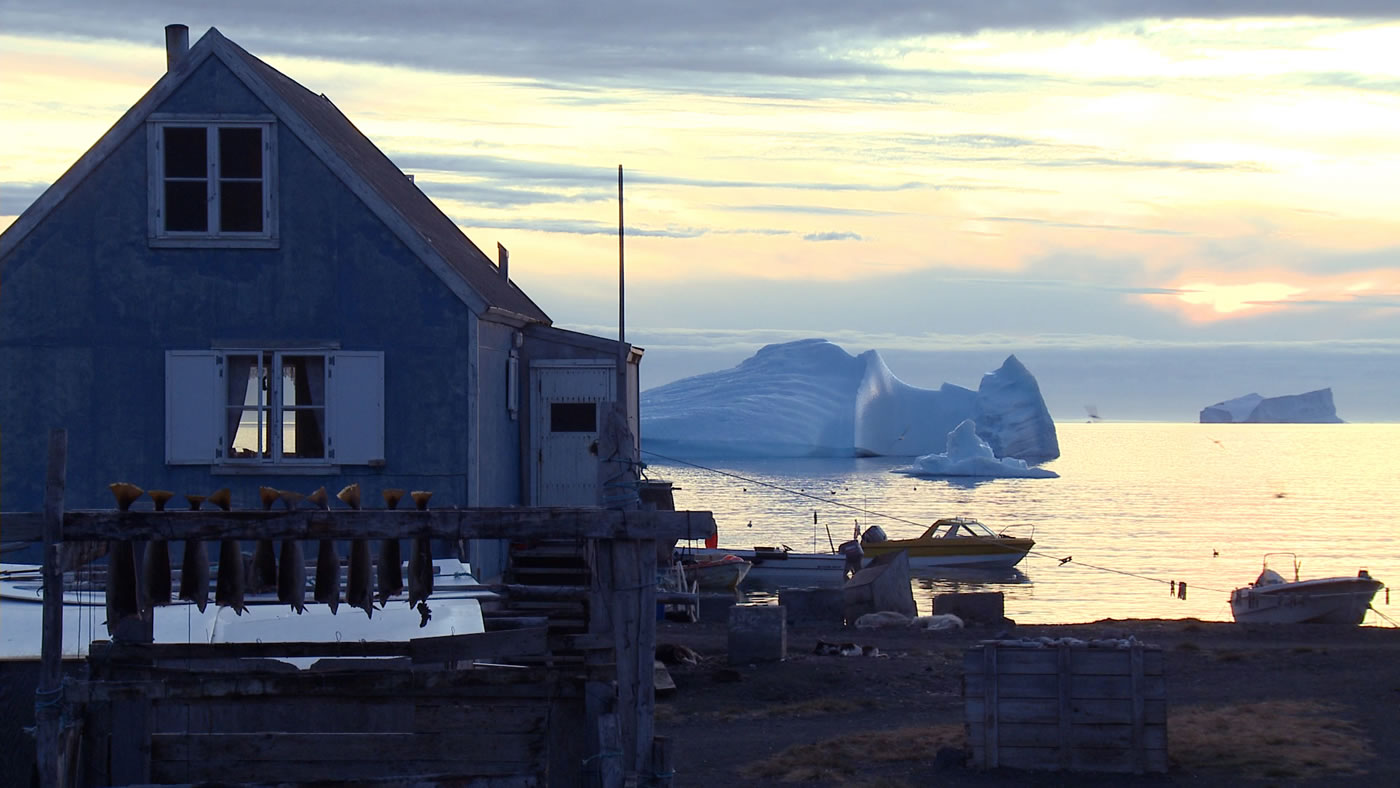
This film festival has been excellent for seeing exotic places - Saudi Arabia, The West Bank, Antarctica, Kurdistan, Japan - and The Village at the End of the World took me to Greenland. Like Antarctica: A year on Ice, this documentary also spanned a year. - in this case of the lives of the residents of Niaqornat, a tiny village on the western coast of Greenland.
We gets to grips with living in an isolated community - the only way in or out for most people is by helicopter and goods come by boat , but only from May to December. Towards the end of winter, hunting is a viable way of feeding the village. There aren't many jobs - since the Royal Greenland Company closed the fish factory in 2008 people fish or hunt, there's one school teacher, one village administrator, one person runs the shop (the only teenager helps out) and one excrement collector - you could call him a nightsoil collector, except that he works during the daytime. The economics of the community and their quest to resurrect the fish factory is a big part of the film.
The landscape and the scenery are another big part. In the winter, the sea freezes but even in the summer there are icebergs floating in the bay - so the view is always changing. The lack of things growing really struck me - there are no trees and no-one in Niaqornat has a garden. We see a bit of moss and grass on the hills. Vegetables are things that are brought in by boat, and one of the older residents said he didn't really like them since they weren't a part of the traditional Greenlandic diet!
I'm sure there's many plenty of fodder there for more documentaries - one on sewage and waste disposal in Arctic environments, for example. And whether the many dogs were using for sledding or as pets.However, you can start with the one on offer, Getting to know Niaqornat and its people makes for a very pleasant eighty minutes and expands your world view.
Anne's rating 3/5.
We gets to grips with living in an isolated community - the only way in or out for most people is by helicopter and goods come by boat , but only from May to December. Towards the end of winter, hunting is a viable way of feeding the village. There aren't many jobs - since the Royal Greenland Company closed the fish factory in 2008 people fish or hunt, there's one school teacher, one village administrator, one person runs the shop (the only teenager helps out) and one excrement collector - you could call him a nightsoil collector, except that he works during the daytime. The economics of the community and their quest to resurrect the fish factory is a big part of the film.
The landscape and the scenery are another big part. In the winter, the sea freezes but even in the summer there are icebergs floating in the bay - so the view is always changing. The lack of things growing really struck me - there are no trees and no-one in Niaqornat has a garden. We see a bit of moss and grass on the hills. Vegetables are things that are brought in by boat, and one of the older residents said he didn't really like them since they weren't a part of the traditional Greenlandic diet!
I'm sure there's many plenty of fodder there for more documentaries - one on sewage and waste disposal in Arctic environments, for example. And whether the many dogs were using for sledding or as pets.However, you can start with the one on offer, Getting to know Niaqornat and its people makes for a very pleasant eighty minutes and expands your world view.
Anne's rating 3/5.
Labels:
documentary,
Greenlandic,
recommend
The Gatekeepers
Last year there was Ra'anan Alexandrowicz's The Law In These Parts, interviews with Israeli military judges and prosecutors. Much of the evidence against the Palestinians prosecuted and tried by them came from Shin Bet (aka Shabak or GSS). This year Dror Moreh interviews six retired heads of Shin Bet in The Gatekeepers. While the earlier documentary gave us information on how that part of the machinery of the military occupation works, this one gives us a glimpse into another component of that machinery. Dror Moreh says he was inspired by The Fog of War, hence he is less interested in the detail of how Shin Bet works than in the opinions of 6 men who know more about Palestinians than other Israelis and also know more about Israeli actions and decision making from Israeli prime ministers, the IDF, Jewish settlers and terrorists to their own Shin Bet operations.
The six are:
If there is one group of Israelis these guys detested more than their Prime Ministers it is rabbis who incite their congregations. Carmi Gillon in particular, who dealt with the rise of Jewish terrorism and the assassination of Rabin, was particularly bitter over the very early release from prison of most of the Jewish terrorists Shin Bet had uncovered and brought to trial, due to their political and religious connections.
While Ami Ayalon admitted that from a Palestinian point of view he was a terrorist, and while there was an admission that many of the missions were revenge rather than prevention all six were reluctant to admit that there was a circle of revenge Jew against Palestinian against Jew against Palestinian and so on. I presume they didn't want to see themselves as a factor in fuelling the terrorism they were charged with preventing.
At one point there was a brief discussion on the philosophy of terrorism prevention. If you kill or lock up enough terrorists or prospective terrorists then you will eventually reach the bottom of the barrel. You won't get the last few terrorists but they will either be deterred or too few to cause much trouble. This seems to be the Bush-Obama strategy too. Between Jews and Palestinians we've had 130 odd years and no sign of the bottom of the barrel. Perhaps solving the political issues may be a better approach.
There is some detail on how Shin Bet operates and how that has changed as technology has improved (in particular the use of drones). At the base is detailed background information on an area: maps, building plans, who lives where and who knows who, how society is structured (families, clans, organisations etc). Ongoing information on people's movements, phone tapping and internet monitoring are hinted at but not discussed. More intrusively there are searches, interrogation, and "getting people to tell you what they don't want to tell you" (blackmail, intimidation, torture etc). To find out what a person of interest is up to look at their associates and pick one that is susceptible to being "turned" -- even if you have done nothing wrong you still have plenty to fear from Shin Bet. On top of that there are arrests, imprisonment, torture and assassinations. It is no surprise Palestinians hate Shin Bet more than they hate the IDF. During the occupation of Lebanon, Shin Bet applied the same techniques there and the film boasts that they quickly controlled "everything that went on in Lebanon".
Ian's rating 5/5
The six are:
1980-1986 Avraham ShalomDon't expect any major mea culpas. Their job was to prevent Palestinian terrorism against Israel, more accurately frustrate or deter it where possible and to take revenge when desired. Shin Bet's role does not extend to resolving Palestinian issues with Israel. They see their role as preventing Israeli deaths while the politicians solve the political problems. They see any Israeli death as a failure, by that measure they know they did their job well but not perfectly. Avraham Shalom was the most reluctant, but they admitted that Shin Bet was not perfect in a legal or moral sense either. What really annoyed these guys was the failure of Israeli Prime Ministers to solve issues between Israel and Palestinians. In their view from David Ben-Gurion to Yitzhak Shamir, Israeli Prime Ministers did not acknowledge there was an issue to solve and, with the exception of Yitzhak Rabin who made an effort, none since have tried hard enough to resolve the conflict. Since 1967 they see their role as providing safety to Israeli civilians until the politicians came up with a solution. What they didn't see (or perhaps saw but didn't acknowledge) was that Shin Bet's success in keeping a lid on Palestinian frustration allowed successive Israeli governments to do nothing, or worse.
1988-1994 Yaakov Peri
1994-1996 Carmi Gillon
1996-2000 Ami Ayalon
2000-2005 Avi Dichter
2005-2011 Yuval Diskin
If there is one group of Israelis these guys detested more than their Prime Ministers it is rabbis who incite their congregations. Carmi Gillon in particular, who dealt with the rise of Jewish terrorism and the assassination of Rabin, was particularly bitter over the very early release from prison of most of the Jewish terrorists Shin Bet had uncovered and brought to trial, due to their political and religious connections.
While Ami Ayalon admitted that from a Palestinian point of view he was a terrorist, and while there was an admission that many of the missions were revenge rather than prevention all six were reluctant to admit that there was a circle of revenge Jew against Palestinian against Jew against Palestinian and so on. I presume they didn't want to see themselves as a factor in fuelling the terrorism they were charged with preventing.
At one point there was a brief discussion on the philosophy of terrorism prevention. If you kill or lock up enough terrorists or prospective terrorists then you will eventually reach the bottom of the barrel. You won't get the last few terrorists but they will either be deterred or too few to cause much trouble. This seems to be the Bush-Obama strategy too. Between Jews and Palestinians we've had 130 odd years and no sign of the bottom of the barrel. Perhaps solving the political issues may be a better approach.
There is some detail on how Shin Bet operates and how that has changed as technology has improved (in particular the use of drones). At the base is detailed background information on an area: maps, building plans, who lives where and who knows who, how society is structured (families, clans, organisations etc). Ongoing information on people's movements, phone tapping and internet monitoring are hinted at but not discussed. More intrusively there are searches, interrogation, and "getting people to tell you what they don't want to tell you" (blackmail, intimidation, torture etc). To find out what a person of interest is up to look at their associates and pick one that is susceptible to being "turned" -- even if you have done nothing wrong you still have plenty to fear from Shin Bet. On top of that there are arrests, imprisonment, torture and assassinations. It is no surprise Palestinians hate Shin Bet more than they hate the IDF. During the occupation of Lebanon, Shin Bet applied the same techniques there and the film boasts that they quickly controlled "everything that went on in Lebanon".
| Trailer |
Ian's rating 5/5
Labels:
documentary,
Israeli,
must see
Subscribe to:
Posts (Atom)